History
Daimler AG is a German manufacturer of automobiles, motor vehicles, and engines, which dates back more than a century.
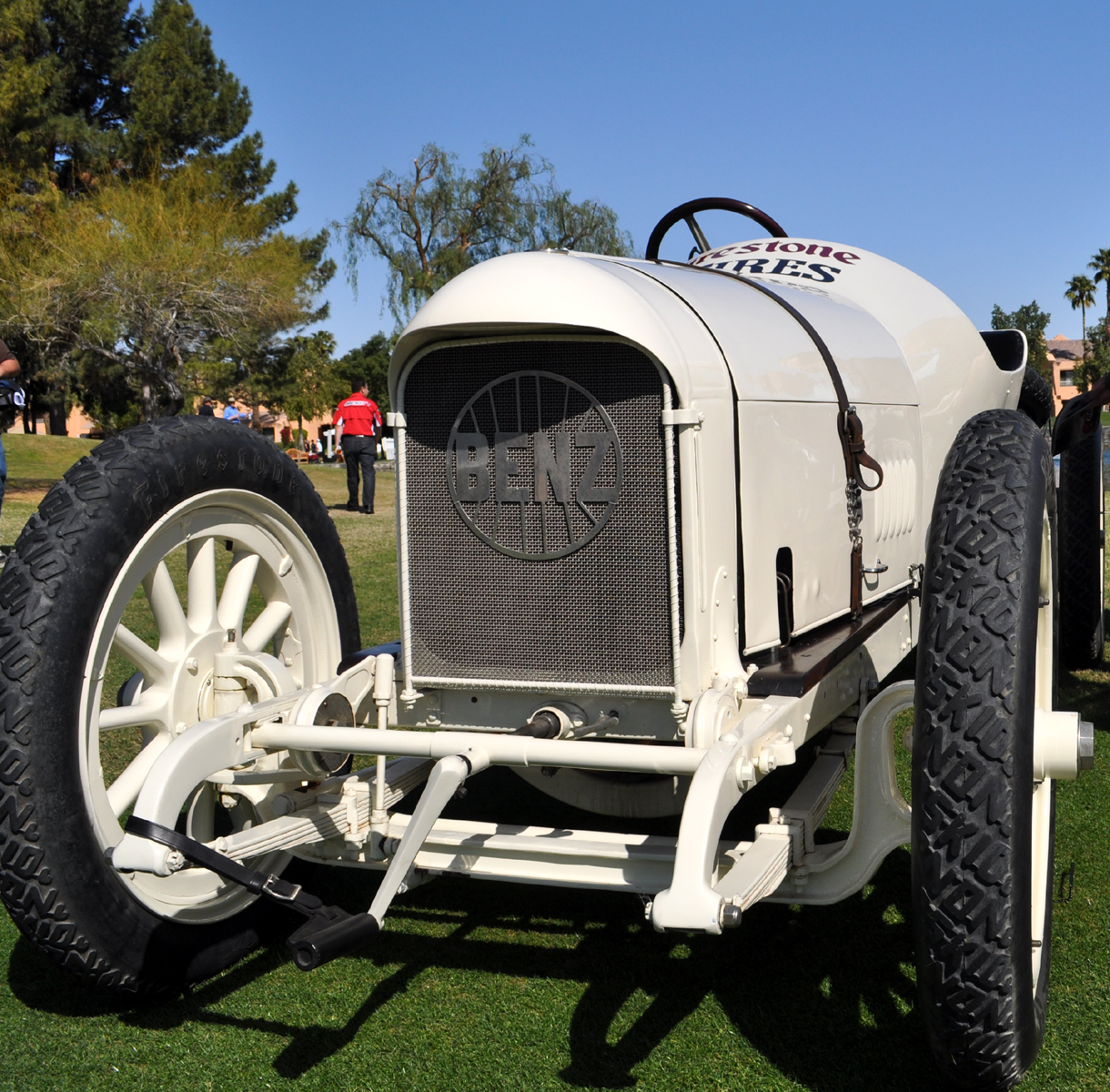
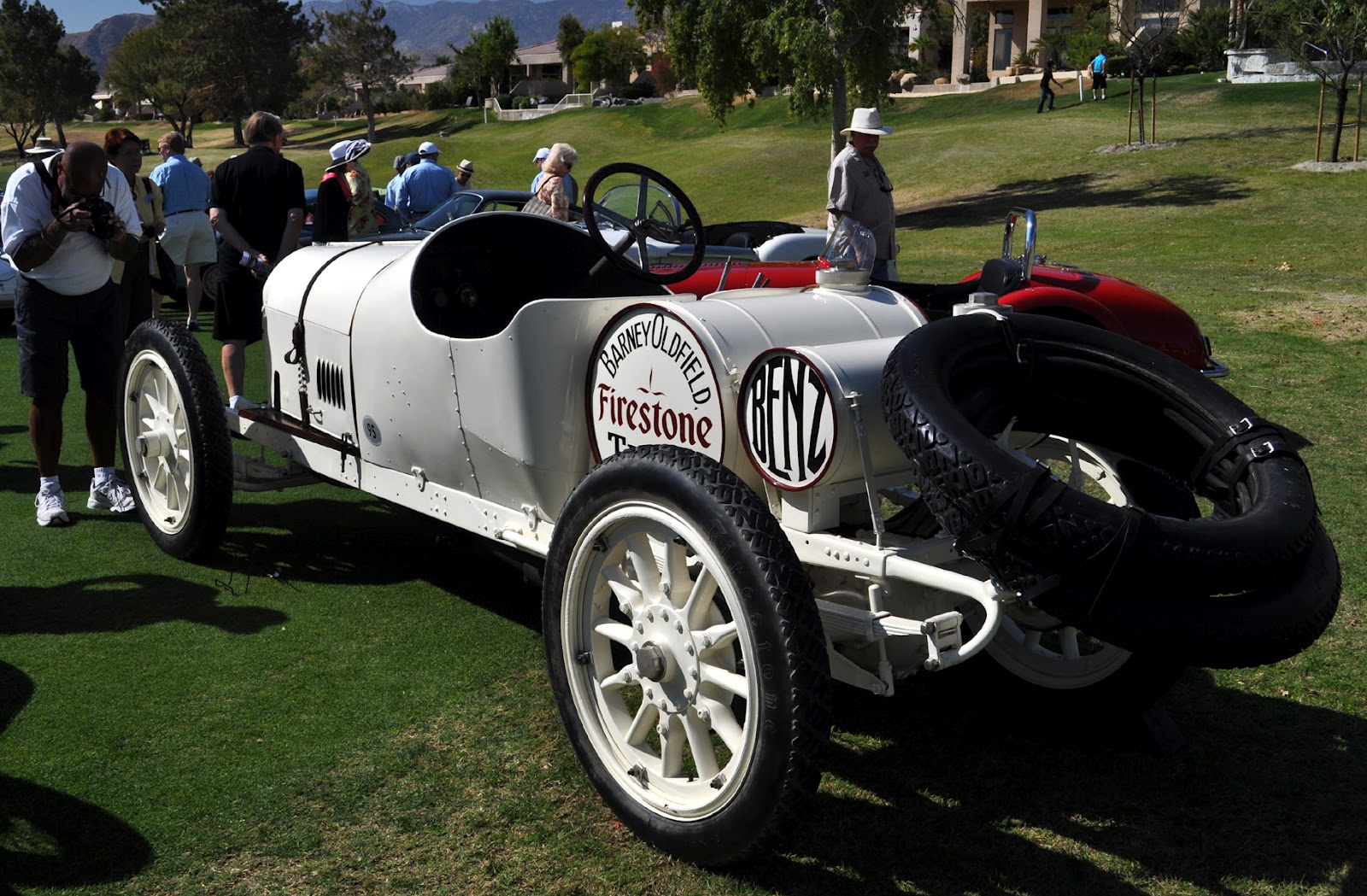
An Agreement of Mutual Interest was signed on May 1, 1924 between Benz & Cie (founded 1883) of Karl Benz and Daimler Motoren Gesellschaft (founded 1890) of Gottlieb Daimler and Wilhelm Maybach.
(So that explains Maybach's and Benz's connection!)
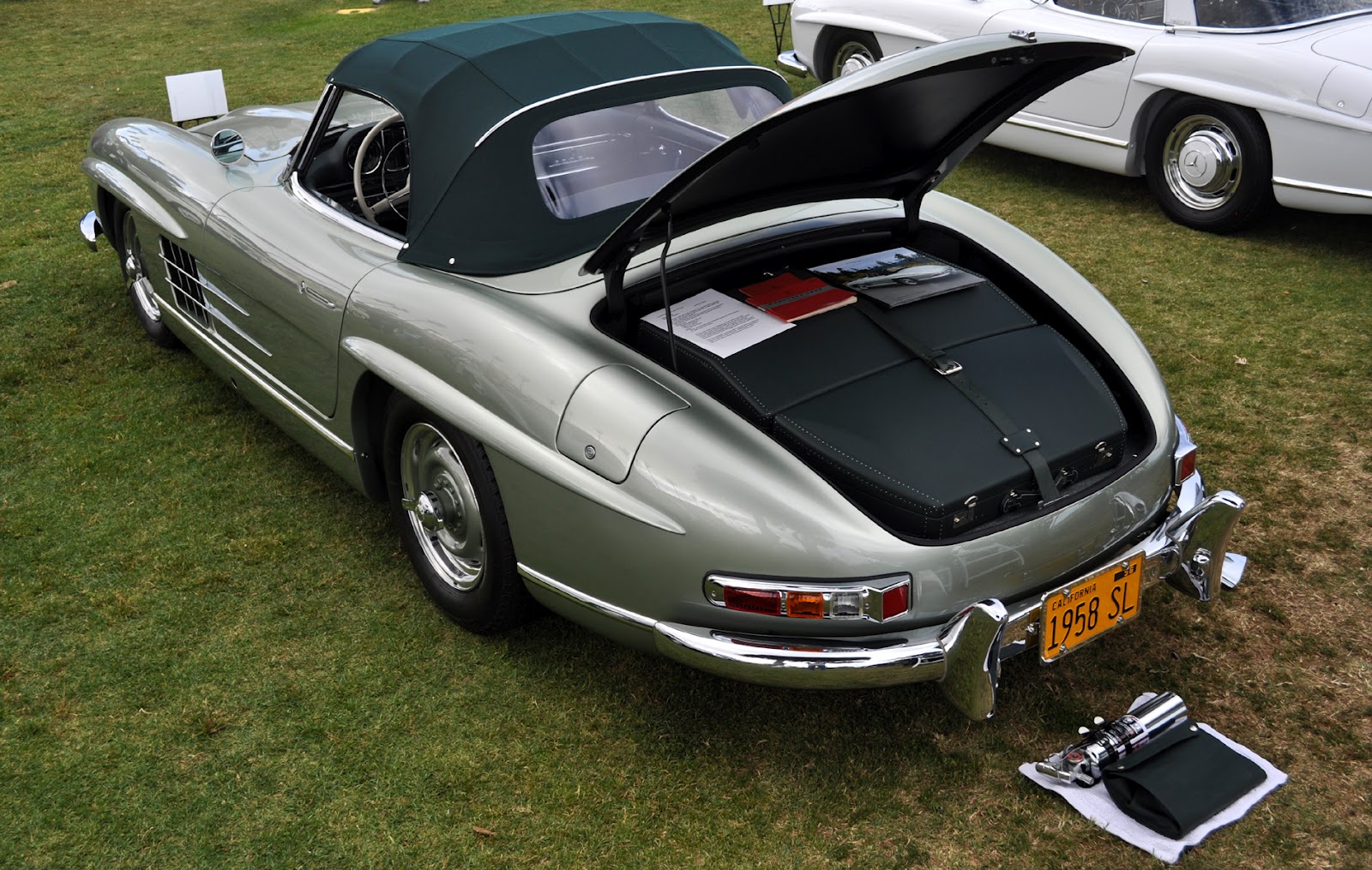
Both companies continued to manufacture their separate automobile and internal combustion engine brands until, on June 28, 1926, when Benz & Cie. and Daimler Motoren Gesellschaft AG formally merged—becoming Daimler-Benz AG—and agreed that thereafter, all of the factories would use the brand name of Mercedes-Benz on their automobiles. (below I get to where the name Mercedes suddenly pops into this corporate identity, as no one in the company, or company mergers was ever named Mercedes)
In 2007, when the Chrysler group was sold off to Cerberus Capital Management, the name of the parent company was changed to simply "Daimler AG".
Timeline of Daimler AG
Benz & Company, 1883–1926
Daimler Motoren Gesellschaft AG, 1890–1926
Daimler-Benz AG, 1926–1998
DaimlerChrysler AG, 1998–2007
Daimler AG, 2007–present
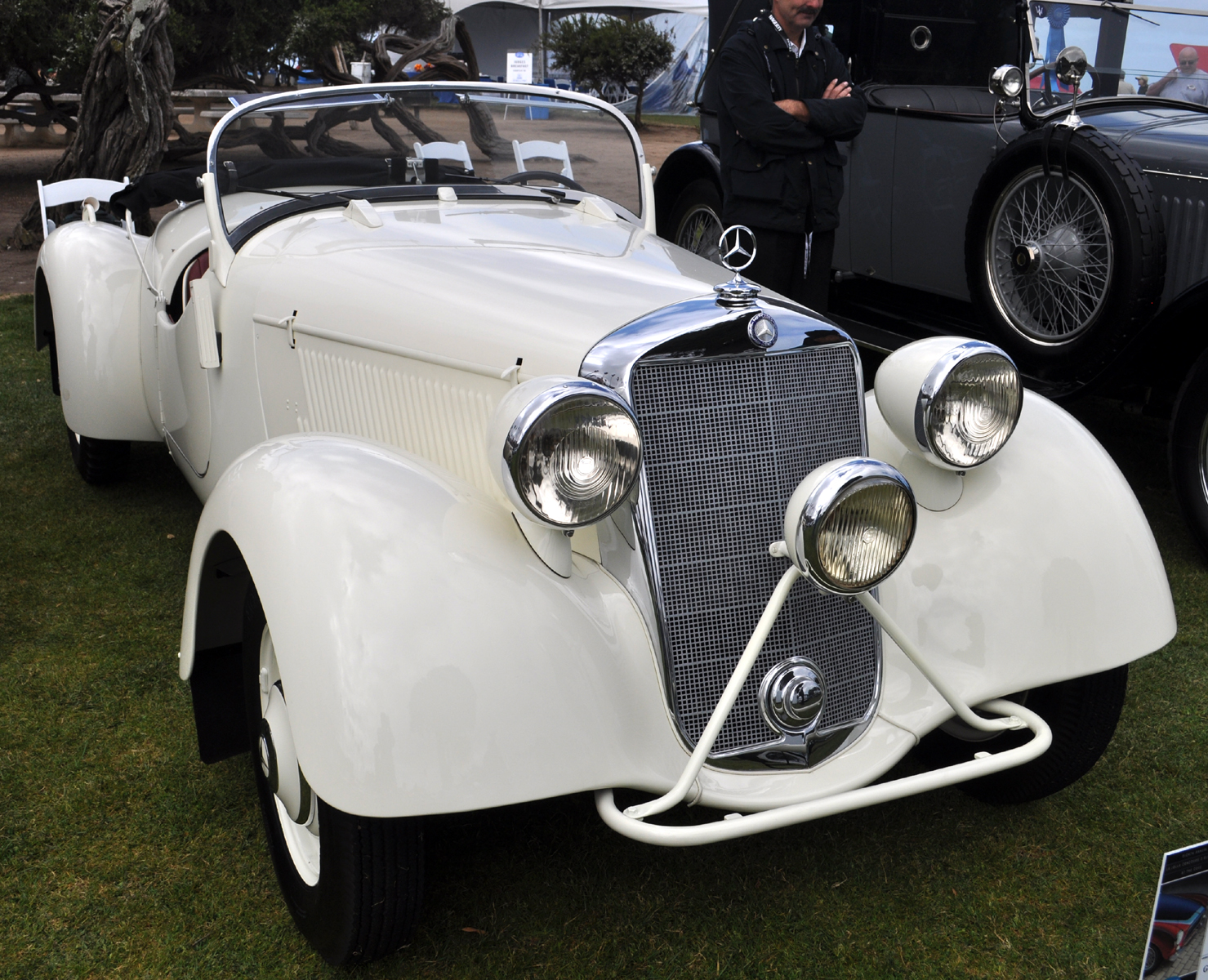
MercedesMercedes was a brand of the
Daimler-Motoren-Gesellschaft (DMG). DMG which began to develop in 1900, after the death of its co-founder, Gottlieb
Daimler.
Although the name was not lodged as a trade name until 23 June 1902 and had to wait until 26 September to be registered legally, the brand name eventually would be applied to an automobile model built by Wilhelm
Maybach to specifications by Emil Jellinek that was delivered to him on 22 December 1900.
By Jellinek's contract, the new model contained a newly designed engine designated "
Daimler-Mercedes". This engine name is the first instance of the use of the name,
Mercedes, by
DMG. The automobile model would later be called, the
Mercedes 35 hp.
An Austrian diplomat based in Nice, a business man running a profitable business selling cars, and a racing enthusiast, Jellinek had been racing
DMG automobiles under the pseudonym
Mercédès, after his daughter, Mercédès Jellinek.
Later he contracted with
DMG for a small series of dedicated sports cars containing an engine that officially bore his daughter's name. He raced them very successfully, gaining recognition that increased interest in customers and Jellinek was placed on the board of directors of
DMG. This model was a significant advancement in the history of automobiles.
The model was released for sale in 1901 under the name of
Mercedes 35 hp and, because of the success of the model,
DMG began to apply the name as a series to other models such as,
Mercedes 8/11 hp and
Mercedes 40 hp Simplex. Jellinek seems to have become obsessed with the name and even had his name changed to Jellinek-Mercedes.
Maybach quit DMG in 1907 and started up his own business.
The name,
Mercedes, later was used to represent
DMG in another new brand name,
Mercedes-Benz, created in 1926 when it was applied to all vehicles produced by the new company,
Daimler-Benz AG, resulting from the merger of
Benz & Cie. and
Daimler Motoren Gesellschaft in that year.
The last name of Karl
Benz was retained in the new brand, but since
DMG had sold exclusive licences to foreign companies(maybe this is the British car company Daimler), they couldn't use the name of their founder,
Daimler, legally in all countries and decided to use the name of their most popular model. Since Jellinek was a member of the board of directors by the time of the merger, the name was promoted for continued good luck to the new company.
all above info from
http://en.wikipedia.orgDaimler the British car companyGottlieb
Daimler studied machine construction at the Stuttgart Polytechnic from 1857-59 and during that time he was introduced to the highly developed level of machine construction in Britain. In 1885
Daimler, together with
Maybach began work on the first engines that were designed specifically for use in motor vehicles.
They abandoned the existing conventional, open, horizontal type design with an external flywheel, and arranged the engine to stand upright with an internal flywheel, and a casting that was sealed against oil and dust. The engine's output was 0.37KW (0.5bhp), had a cubic capacity of 164cc, weighed 60kg and produced 700 revolutions per minute.
After that,
Daimler and
Maybach turned to the problem of liquid fuel. Finally, they found the best combustible mixture was 91% air and 9% petrol with a specific gravity of 0.68 g/cubic cm. This engine was equipped with a carburettor and was built into a wooden frame.
Daimler gave this engine a higher output, up to 0.76KW (1bhp) and built it into a coach body. He made his first trip around Bad Cannstatt in this vehicle in September 1886. Later, this engine proved to be excellent for driving motorboats. In 1887,
Daimler purchased a small factory so he could produce and sell the engine. This two-cylinder V-engine had an output of 1.5KW (2hp) Gottlieb
Daimler died on 6th March 1900.
Fredrick Simms an Englishman born in Hamburg, was on the lookout for a power source to use in his 'Aerial Flights' (overhead railcar) and befriended
Daimler, who at that time was using his new engine in motorboats. Simms saw the potential for marketing this engine in Britain. He took up the patent rights and formed a company in 1893 called 'The
Daimler Motor Syndicate Ltd'.
He then started to build the boats on Eel Pie Island for use on the Thames, using the imported
Daimler engines to power them. In 1895, a businessman named Harry J. Lawson saw an opportunity to build cars using the
Daimler engine and duly bought up all the patents he could, including the rights to the
Daimler engine from Simms.
In 1898, the Great Horsless Carriage Company, which had constructed the bodies for the
Daimler chassis had gone into liquidation and from it, a new company, called the Motor Manufacturing Company was formed. Having land leased from
Daimler, they built a forge and went into production using their own engines and chassis. Also, in the same year, the original
Daimler motor syndicate, which had become the British Motor Syndicate, now became the British Motor Company. By this time, it was struggling to hold onto the patents which Harry J. Lawson had originally bought and had Licensed to the
Daimler Motor Company and other motor manufacturers.
Simms, together with Robert Bosch, had now developed a low-tension magneto, but the
Daimler engineers were not convinced of the merits of electric ignition. The
Daimler Company agreed to carry out tests but it decreased the horsepower of the motor, so was dismissed. Fortunately, E.W. Lewis, the company's chief draftsman, had designed his own contact breaker which proved successful and was fitted to King Edward VII's first car. Lewis later joined the Rover Company and designed their first motor cycle and early cars. The Motor Manufacturing Company that shared the Coventry site with
Daimler ran into difficulties, and in 1905 was taken over by
Daimler.
British Daimler info from
http://www.daimler.co.uk